01
High-density infrastructure
Colocation racks and network rooms can concentrate dozens of devices that need direct console access during incidents.

Give colocation operations teams and tenant infrastructure teams a secure, independent way to access and recover critical network equipment.
Colocation environments combine high equipment density, shared facilities, remote operations, and strict availability expectations. Gearlinx uses the NR4400 family to create a separate management layer around routers, switches, firewalls, servers, and other serial-managed infrastructure. Choose non-cellular models for wired out-of-band management or 4G LTE models when an additional carrier-based path is part of the resilience design.
Colocation facilities are designed for scale and availability, but infrastructure teams still need a reliable way to reach devices during network outages, change errors, maintenance events, and remote troubleshooting. The management layer should remain available even when the production network is the problem.
Colocation racks and network rooms can concentrate dozens of devices that need direct console access during incidents.
Network teams may be hundreds or thousands of miles from the facility when a configuration or connectivity problem occurs.
Carrier, cross-connect, routing, and facility dependencies can complicate diagnosis when normal access paths are degraded.
Turn-ups, upgrades, migrations, and configuration changes increase the need for a standardized recovery path.
The NR4400 gives teams a practical out-of-band operating model for both day-to-day management and incident recovery inside colocation facilities.
Production traffic and customer services use the primary network while the NR4400 management layer remains available.
Teams detect a failed path, configuration problem, device issue, or maintenance event that limits normal access.
Use wired OOB or an LTE-enabled model to reach the affected infrastructure through a separate management path.
Review console output, troubleshoot, automate tasks, and restore service without waiting for the primary network.
Repeat the same access and recovery design across racks, cages, rooms, facilities, or customer environments.
The NR4400 family gives colocation teams the same core platform in both wired and LTE-enabled configurations, so connectivity can match the facility design rather than forcing one model everywhere.
Use NR4416 or NR4448 when the facility already provides an independent and resilient wired management path.
Use NR4416-4G or NR4448-4G when the resilience design calls for cellular access in addition to the wired management network.
Place the NR4400 alongside the infrastructure it protects, then use ZERO for centralized visibility and management across racks, rooms, and facilities.
The NR4400 family provides 16 or 48 software-selectable RS-232 serial ports, flexible 1GbE and 10GbE connectivity, automation capabilities, and optional global 4G LTE. All models are managed through ZERO.
Keep secure console access available around carrier, routing, and shared connectivity infrastructure.
Support remote infrastructure operations without requiring a technician at the rack for every incident.
Choose 48-port models for dense environments that need more console connections in a single 1RU platform.
Use ZERO to centralize visibility and lifecycle context across devices and locations.
Maintain an independent management path while teams move circuits, migrate equipment, or update configurations.
Standardize on the NR4400 family while selecting non-cellular or LTE-enabled models based on facility requirements.
Colocation environments use the NR4400 family only. Select 16-port or 48-port density, then choose a standard wired model or an integrated 4G LTE model.
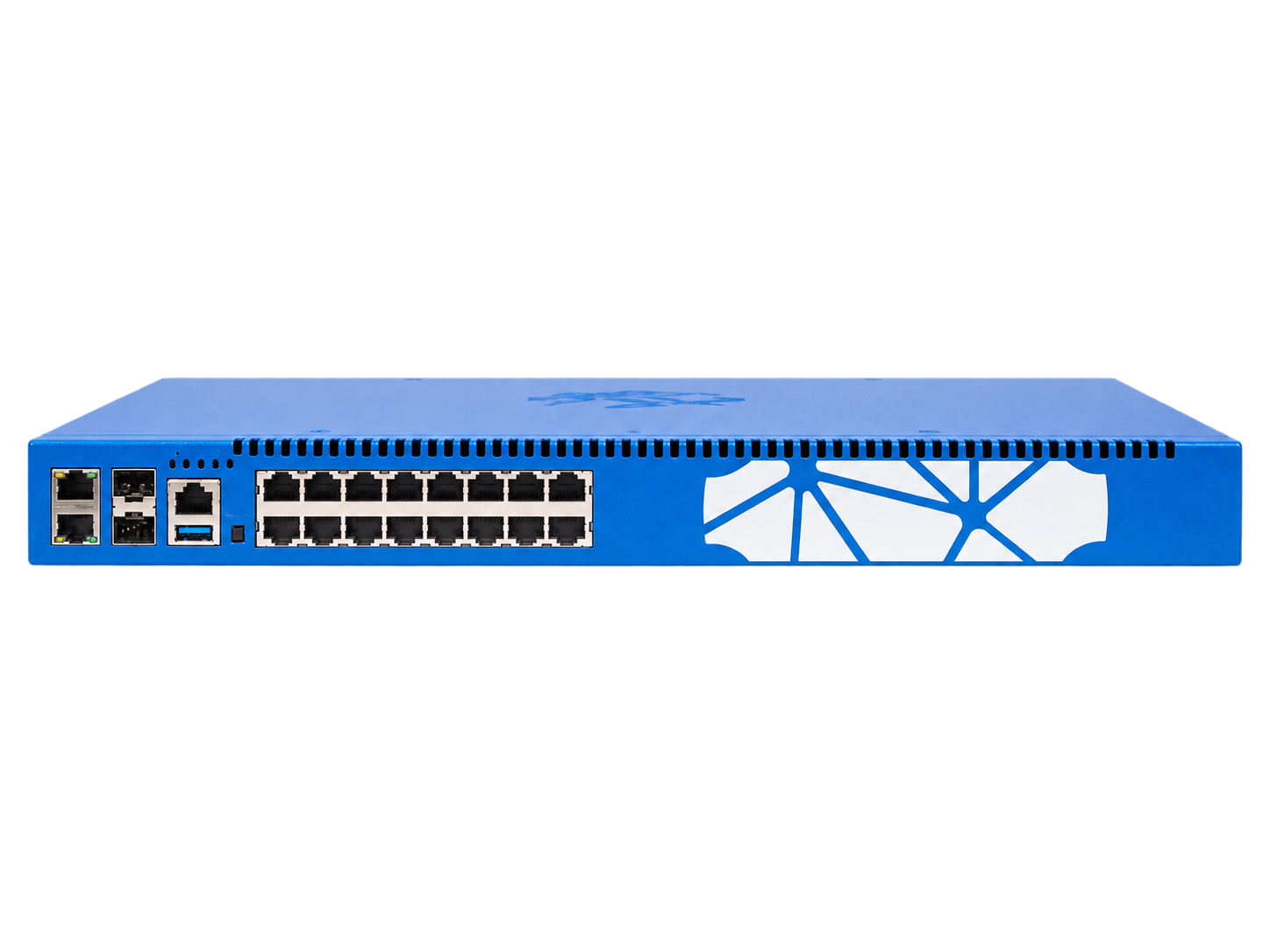
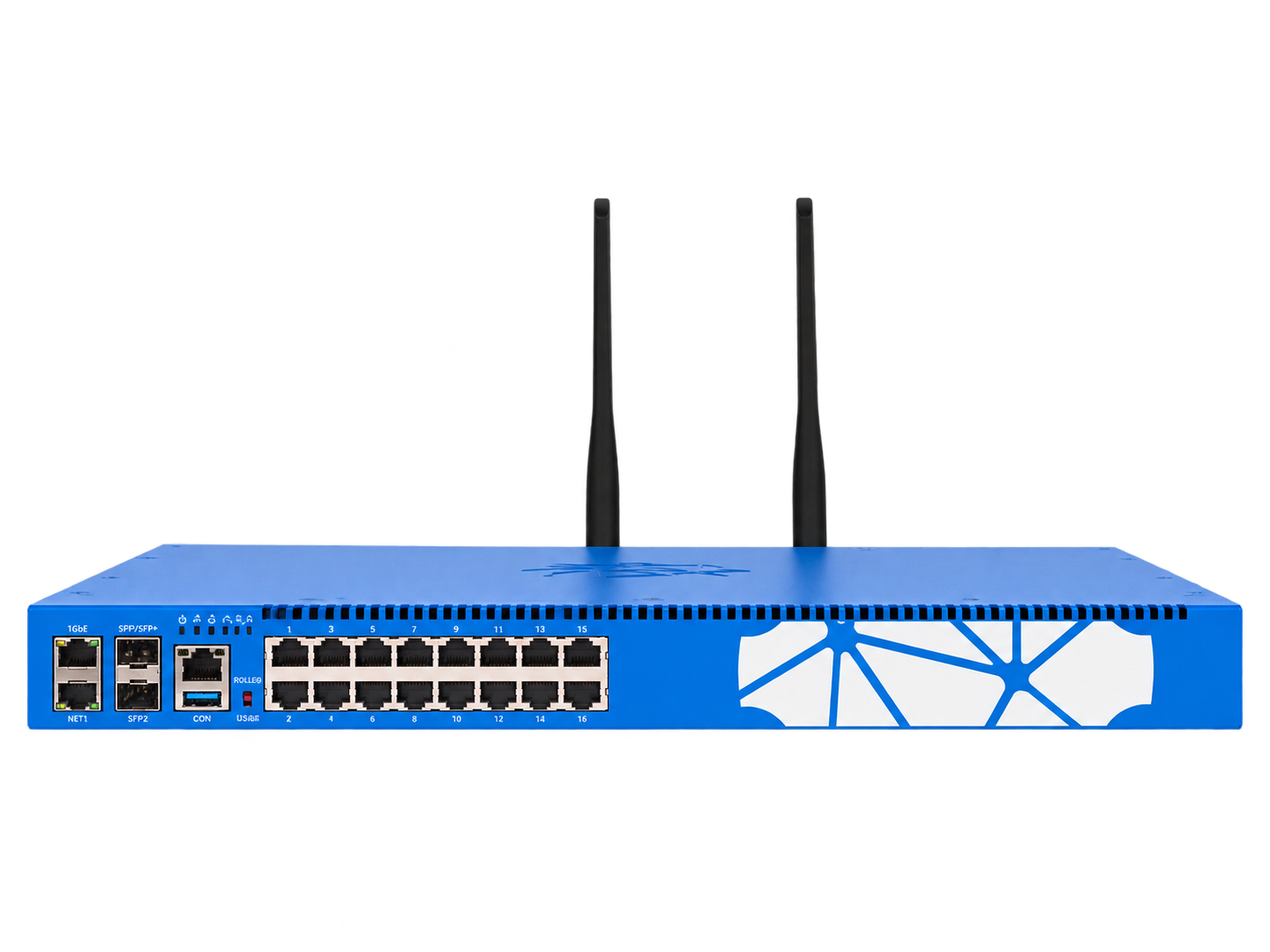
Use the 16-port platform for smaller cages, dedicated network rooms, or deployments that need lower console density without giving up the NR4400 management architecture.
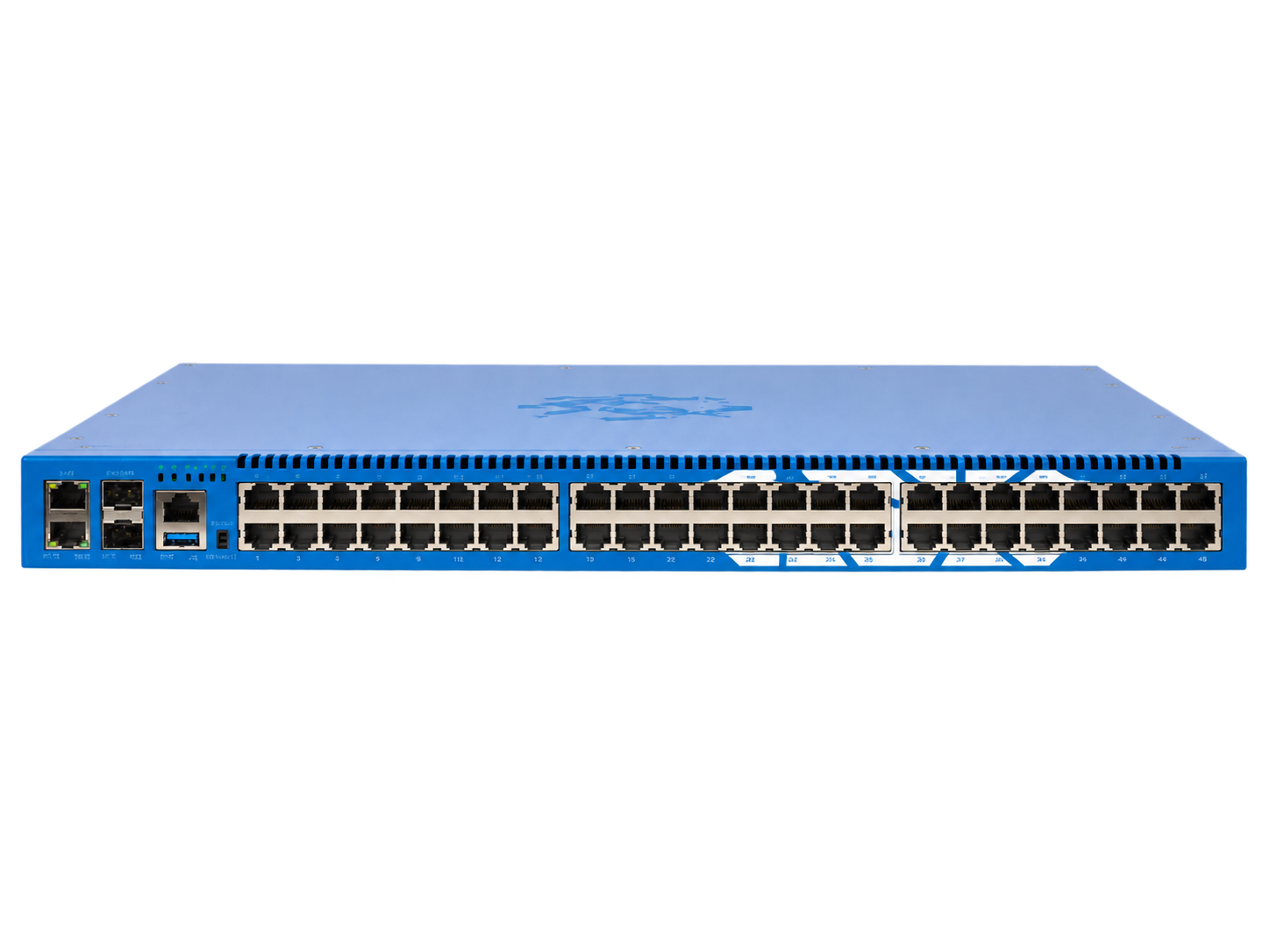
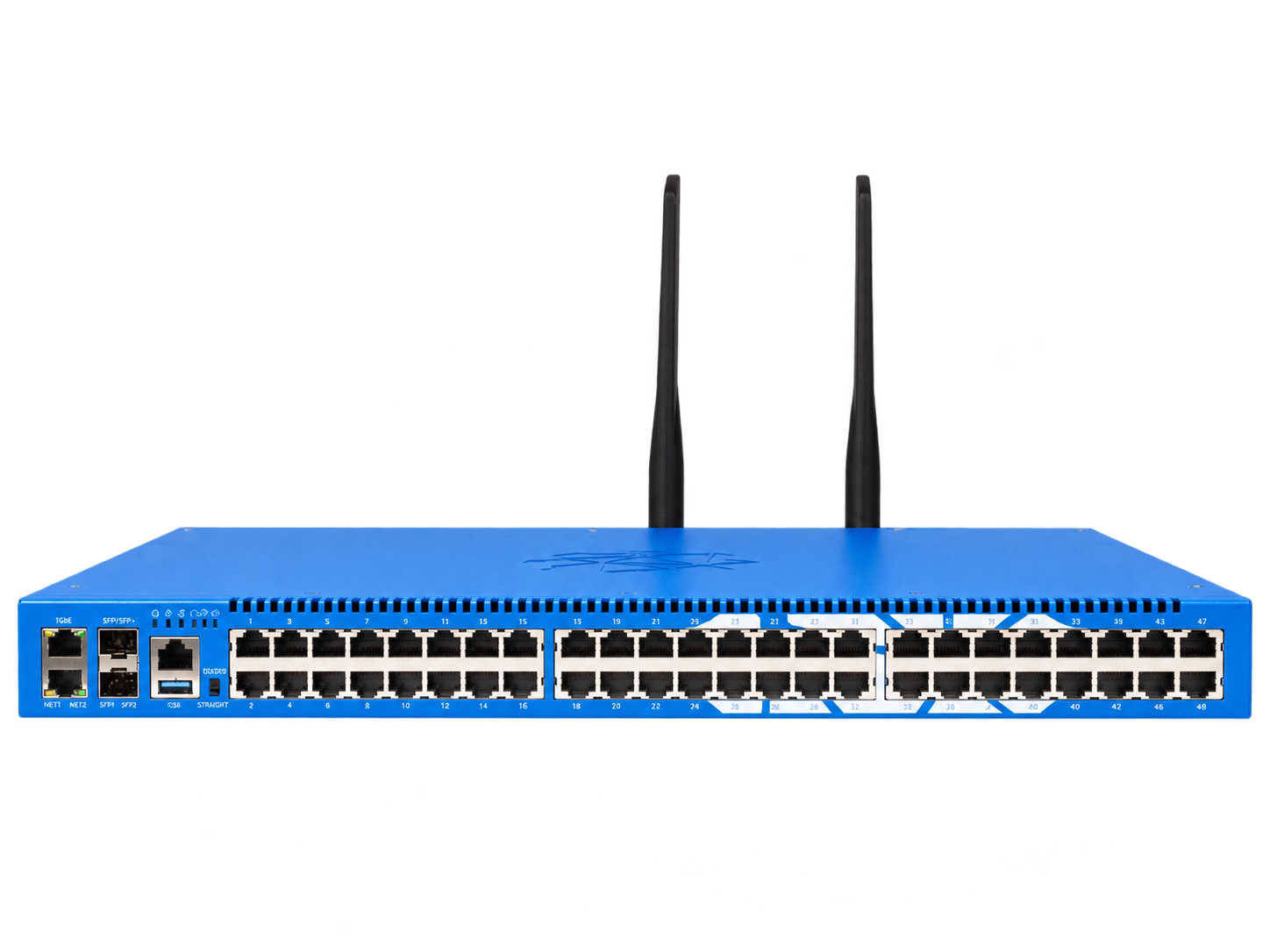
Use the 48-port platform for high-density colocation rooms, shared infrastructure, and larger environments where many devices need direct console access.
Use one NR4400 operating model across wired and cellular colocation deployments.
The value is not simply console access. It is a consistent way to reach, manage, recover, and scale infrastructure across high-density facilities.
Answers for colocation operators and infrastructure teams evaluating a more resilient out-of-band management design.
Colocation environments contain dense infrastructure that may need to be accessed during outages, maintenance windows, or configuration issues. A separate out-of-band management path helps teams retain access when normal network paths are unavailable.
For this use case, Gearlinx uses the NR4400 family. The family includes 16-port and 48-port models in both non-cellular and global 4G LTE configurations.
Choose an LTE model when the facility design benefits from a carrier-based alternate access path in addition to wired management connectivity. LTE models include dual-SIM capability.
Yes. NR4416 and NR4448 provide the same core management architecture without integrated cellular. A colocation can mix cellular and non-cellular models based on the resilience requirements of each room, cage, or site.
ZERO provides centralized management, remote access, alerts, reporting, device and location visibility, warranty information, subscriptions, and lifecycle context across the Gearlinx fleet.
Talk with Gearlinx about NR4400 port density, wired and LTE deployment options, and centralized management through ZERO.