01
Distributed public infrastructure
Government organizations often support a mix of centralized and distributed locations with different connectivity, staffing, security, and operational requirements.

Keep government data centers, agency offices, public safety environments, municipal facilities, and remote infrastructure reachable with independent out-of-band management, secure recovery, cellular options, and centralized visibility.
Government organizations depend on network infrastructure to support public services, communications, agency operations, emergency response, and distributed facilities. When a router, switch, firewall, WAN path, or configuration change disrupts normal access, network and infrastructure teams still need a dependable way in. Gearlinx combines NR4400, Duckfone, and ZERO to create a separate management path around the network infrastructure that supports government operations.
Government networks can span data centers, operations centers, administrative offices, public safety facilities, municipal sites, and remote locations. A network outage can limit visibility and access precisely when teams need to diagnose an issue and restore normal operations.
Government organizations often support a mix of centralized and distributed locations with different connectivity, staffing, security, and operational requirements.
The engineer who understands the network may be far from the agency office, municipal facility, public safety location, or remote site where a problem occurs.
Loss of network access can disrupt management visibility, communications, agency operations, and the ability to troubleshoot infrastructure that supports essential public services.
Upgrades, security changes, network refreshes, configuration work, and equipment replacements create moments when a separate management path can reduce recovery risk.
Gearlinx helps government network and infrastructure teams maintain management access, reach affected devices sooner, and use a consistent recovery model across data centers, operations sites, offices, public safety facilities, and remote infrastructure.
Public services, communications, agency applications, and other operational services use the primary network while Gearlinx remains available as the separate management layer.
Teams see a connectivity, configuration, device, or access problem affecting a data center, operations center, agency office, public safety facility, municipal site, or remote location.
Use wired OOB or cellular access to reach routers, switches, firewalls, and other console-managed network infrastructure.
Troubleshoot by console, roll back a change, use automation, or coordinate recovery without waiting for normal access to return.
Apply the same recovery approach across agency data centers, operations centers, offices, public safety facilities, municipal locations, and remote sites through ZERO.
Government organizations need reliable day-to-day connectivity and a management layer that remains useful when normal network access is unavailable.
The primary environment carries agency applications, public services, communications, cloud, internet, and site-to-site network traffic.
The Gearlinx layer gives teams another path to critical network infrastructure when the primary network is the problem.
Place Gearlinx alongside the network infrastructure government teams already manage. Use NR4400 for higher-density locations, Duckfone for compact cellular deployments, and ZERO for centralized fleet and lifecycle visibility.
NR4400 provides 16 or 48 software-selectable RS-232 serial ports, flexible 1GbE and 10GbE connectivity, automation, and optional dual-SIM global 4G LTE. Duckfone provides four serial ports, 1GbE, integrated dual-SIM 4G LTE, PoE+, and ZERO management for smaller sites.
Give central network teams a consistent OOB operating model across data centers, operations centers, administrative offices, and distributed agency locations.
Use high-density console management around routers, switches, firewalls, and other critical network infrastructure in agency data centers and core network locations.
Use alternate-path access to begin troubleshooting network devices at administrative offices, municipal buildings, regional facilities, and other distributed locations.
Use independent OOB access around the network infrastructure supporting public safety, emergency operations, communications, dispatch, and other operational environments.
Maintain a separate management path around network and security infrastructure supporting public-facing facilities and essential government services.
Duckfone can support network equipment at field offices, remote facilities, public safety locations, and other lower-density government sites that still need secure console access and cellular connectivity.
Use NR4400 for data centers, operations centers, large facilities, and higher-density environments, Duckfone for compact cellular sites, and ZERO to centralize management and lifecycle visibility across the government fleet.
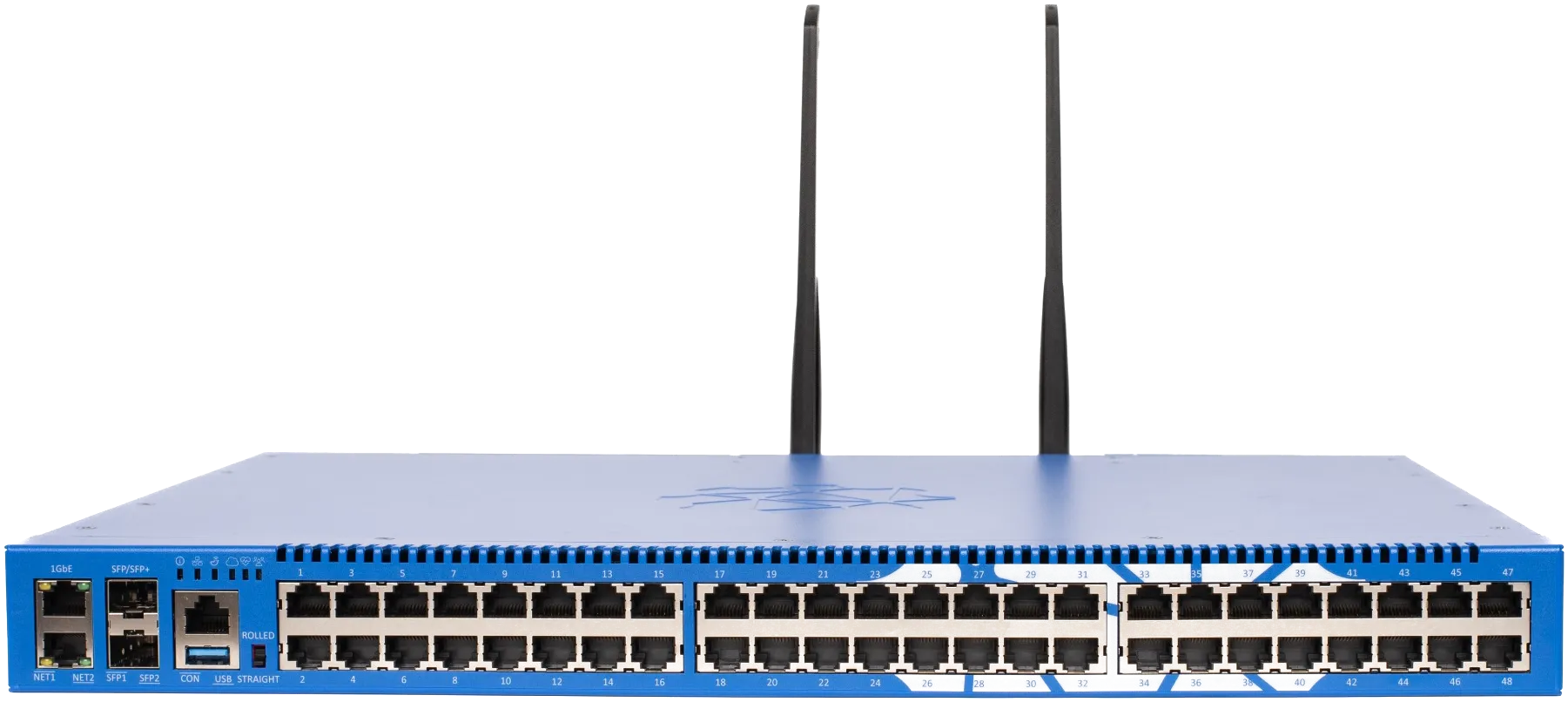
Build a separate management layer around agency data centers, operations centers, network rooms, larger facilities, and other higher-density government infrastructure.
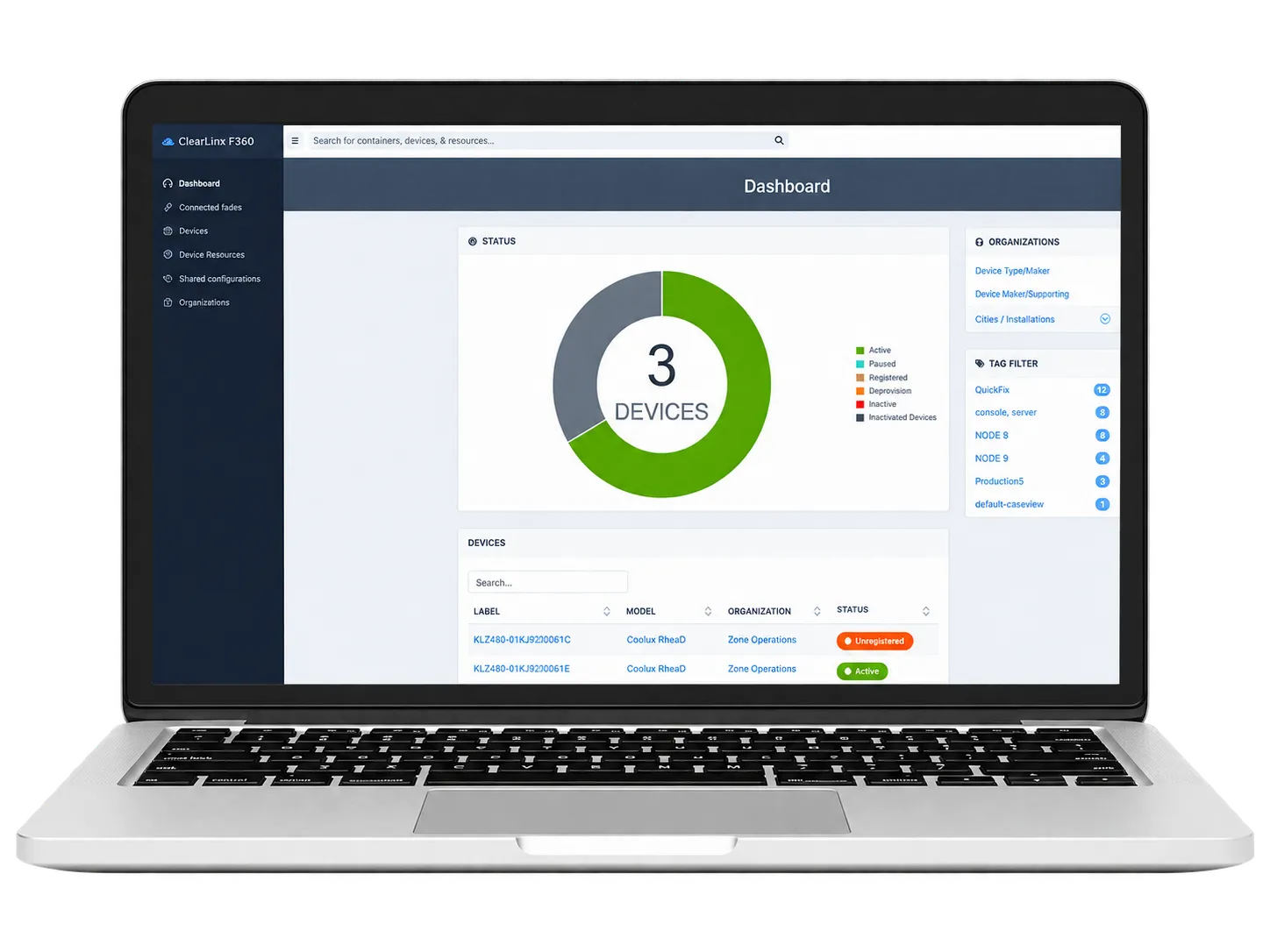
Manage Gearlinx fleets from one cloud portal with device, location, alert, warranty, subscription, and lifecycle visibility.
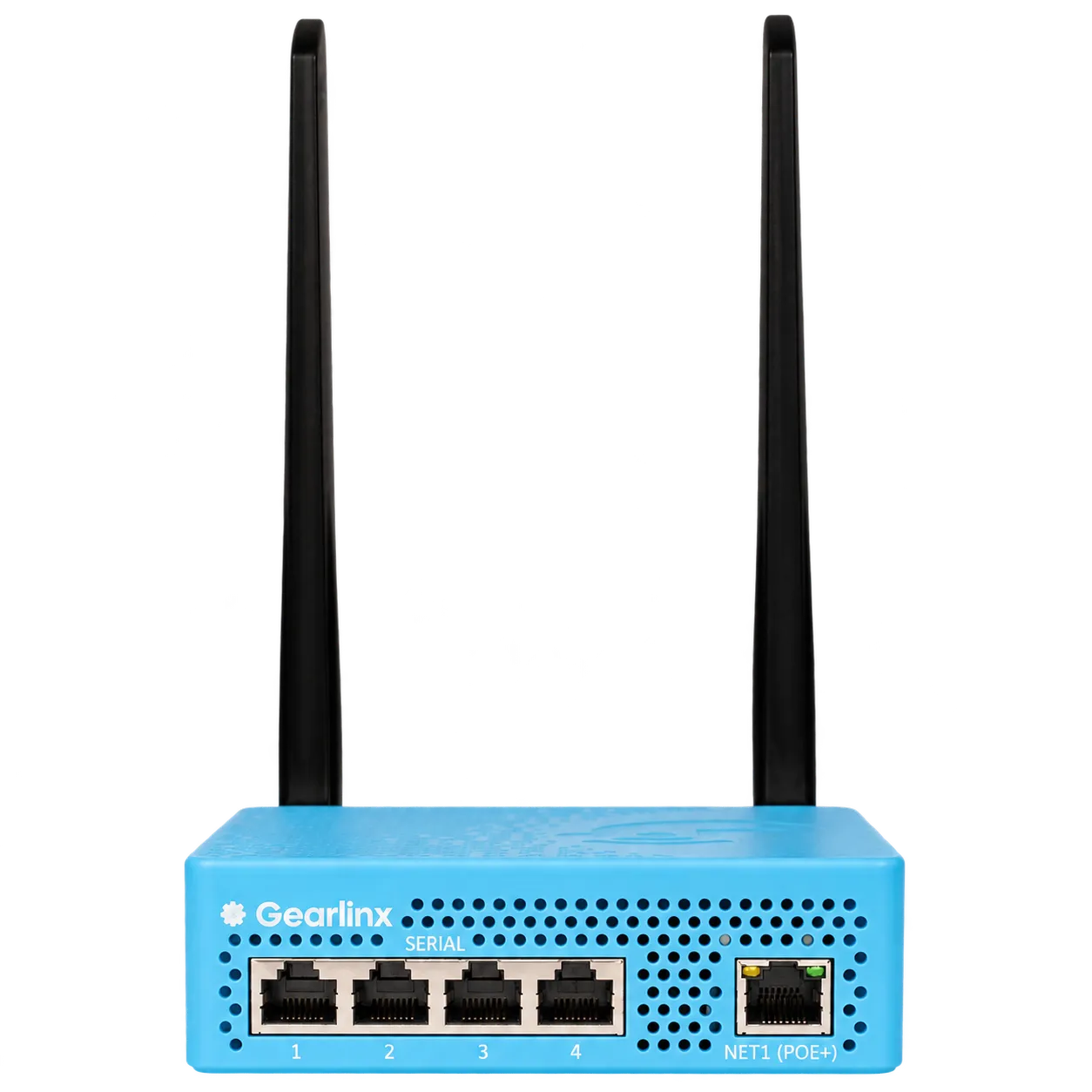
Add compact cellular out-of-band access to field offices, municipal facilities, public safety sites, remote locations, and other sites with lower console density.
Gearlinx helps network and infrastructure teams create a more consistent recovery model across agency data centers, operations centers, offices, public safety facilities, municipal sites, and remote government locations.
The goal is to reduce the time and effort required to reach critical network infrastructure when the normal management path is unavailable.
Clear answers for federal, state, local, municipal, public safety, and other government teams evaluating a more resilient out-of-band management strategy.
Government organizations often manage network infrastructure across data centers, operations centers, administrative offices, public safety facilities, municipal locations, and remote sites. If the primary network or normal management path is unavailable, out-of-band management provides a separate way to reach critical network infrastructure and begin recovery.
NR4400 fits well in agency data centers, operations centers, network rooms, larger facilities, and other higher-density government locations. It provides 16 or 48 serial console ports, flexible network connectivity, automation capabilities, and optional global 4G LTE.
Duckfone is useful for field offices, public safety locations, municipal facilities, small offices, and other lower-density sites that need a compact cellular out-of-band option. It provides four serial ports, one 1GbE interface, dual-SIM global 4G LTE, PoE+ power, Zero Touch Provisioning, REST API, and ZERO cloud management.
ZERO provides centralized cloud management and visibility across Gearlinx fleets, including device and location information, alerts, reporting, warranty data, subscriptions, and lifecycle context.
Yes. Government teams can use NR4400 non-cellular models where a separate wired management network already exists, LTE-enabled NR4400 models where cellular resilience is useful, and Duckfone for compact cellular deployments at offices, public safety locations, municipal facilities, and remote sites.
Talk with Gearlinx about out-of-band management, cellular recovery, and centralized visibility across agency data centers, operations centers, offices, public safety facilities, municipal locations, and remote government infrastructure.