01
Geographically distributed infrastructure
Transportation networks extend across many facilities and remote locations. Network teams need a consistent way to reach infrastructure regardless of where the equipment is deployed.

Keep transportation data centers, operations centers, terminals, stations, depots, logistics hubs, and remote infrastructure reachable with independent out-of-band management, cellular recovery, and centralized visibility.
Transportation organizations depend on distributed network infrastructure to support operations, communications, applications, security systems, passenger and customer services, logistics workflows, and remote facilities. When a router, switch, firewall, WAN path, or configuration issue disrupts normal access, network teams still need a dependable way to reach the affected equipment. Gearlinx combines NR4400, Duckfone, and ZERO to create a separate management and recovery layer around the infrastructure that keeps transportation environments connected.
Transportation environments can span data centers, operations centers, terminals, stations, depots, ports, logistics hubs, roadside systems, cameras, kiosks, and remote sites. A consistent out-of-band strategy gives network teams another path to critical infrastructure when the primary network is unavailable.
Transportation networks extend across many facilities and remote locations. Network teams need a consistent way to reach infrastructure regardless of where the equipment is deployed.
Many stations, depots, roadside sites, and remote facilities do not have network engineers onsite. Remote recovery can reduce the time spent waiting for physical access.
If the WAN or normal management path is the problem, depending on that same path for troubleshooting can delay diagnosis and restoration.
Distributed sites create device, location, warranty, subscription, alert, and support data that is easier to manage when operational context is centralized.
Keep operational traffic on the primary network, maintain a separate OOB path, centralize visibility in ZERO, and use the right Gearlinx platform for each transportation site type.
Data centers, operations centers, terminals, stations, depots, logistics hubs, and remote sites continue using their existing network architecture.
Network teams use alerts and operational tools to determine when a device, site, or connectivity path may need attention.
Reach console-managed routers, switches, firewalls, and other network infrastructure without depending on the normal management path.
Diagnose affected infrastructure, restore access where possible, and reduce unnecessary emergency travel to remote facilities.
Apply the same recovery model across additional terminals, stations, depots, hubs, remote sites, and transportation facilities.
Gearlinx complements the existing transportation network. It adds an independent operational layer around the infrastructure network teams already manage.
The environment continues to carry its normal WAN, LAN, internet, cloud, application, security, and site traffic.
Gearlinx gives infrastructure teams another way to reach critical network devices when the normal management path is degraded or unavailable.
Place Gearlinx alongside the network infrastructure transportation teams already manage. Use NR4400 for higher-density environments, Duckfone for compact cellular deployments, and ZERO for centralized fleet and lifecycle visibility.
NR4400 provides 16 or 48 software-selectable RS-232 serial ports, flexible 1GbE and 10GbE connectivity, automation, and optional dual-SIM global 4G LTE. Duckfone provides four serial ports, 1GbE, integrated dual-SIM 4G LTE, PoE+, Zero Touch Provisioning, REST API, and ZERO management for smaller distributed sites.
Use NR4400 around routers, switches, firewalls, servers, and other console-managed infrastructure supporting centralized transportation operations.
Maintain an independent path to network equipment supporting terminals, operations areas, communications, security, and connected services.
Use OOB access to support distributed network equipment at stations, depots, operations centers, and other transit facilities.
Extend the same management model to port, freight, warehouse, intermodal, and logistics network infrastructure.
Duckfone can provide compact cellular connectivity and console access for lower-density remote transportation infrastructure.
Duckfone is designed for compact deployments including kiosks, video cameras, and other remote or edge infrastructure that benefits from cellular connectivity.
Use NR4400 for higher-density infrastructure, Duckfone for compact distributed and cellular sites, and ZERO to centralize infrastructure fleet and lifecycle visibility across the transportation network.
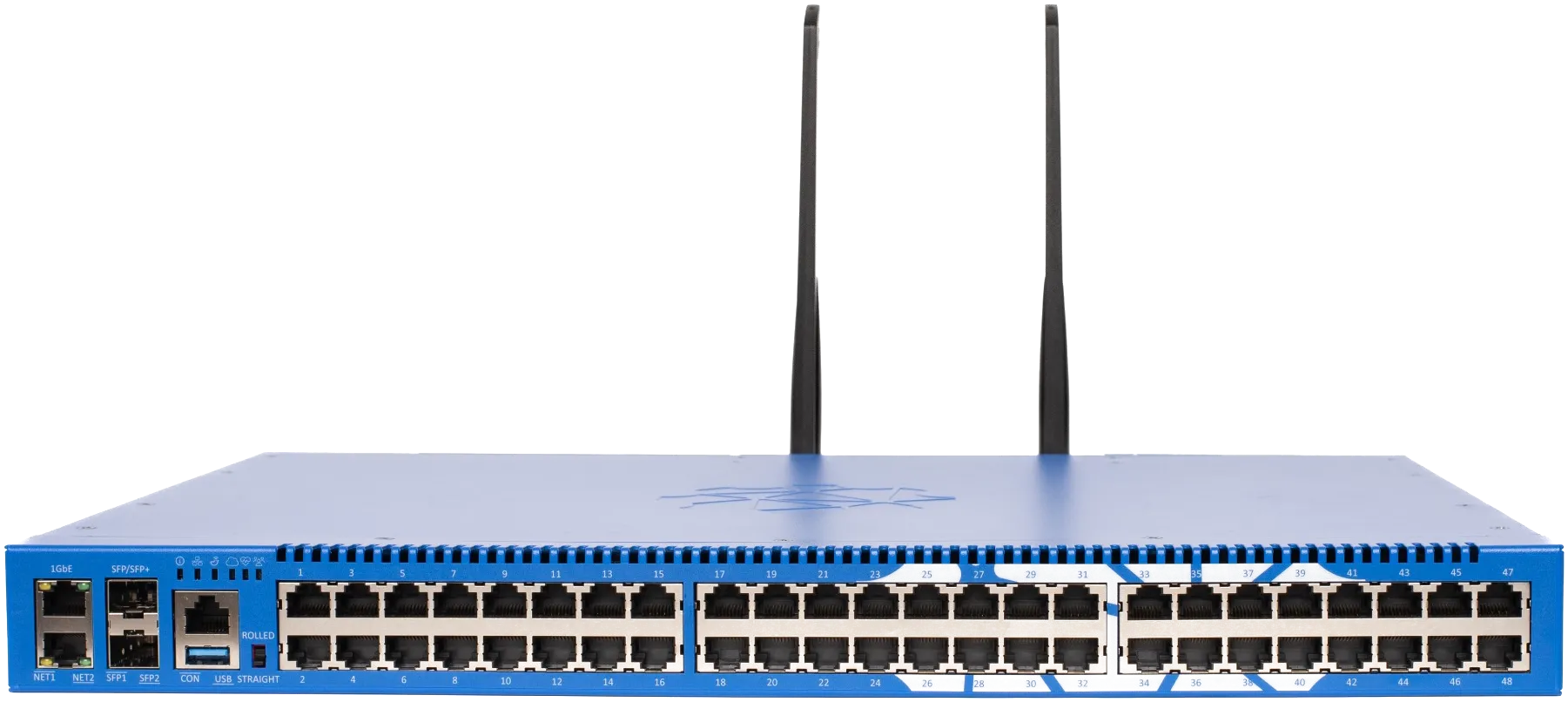
Build a separate management layer around transportation data centers, operations centers, larger terminals, network rooms, logistics hubs, and other higher-density infrastructure.
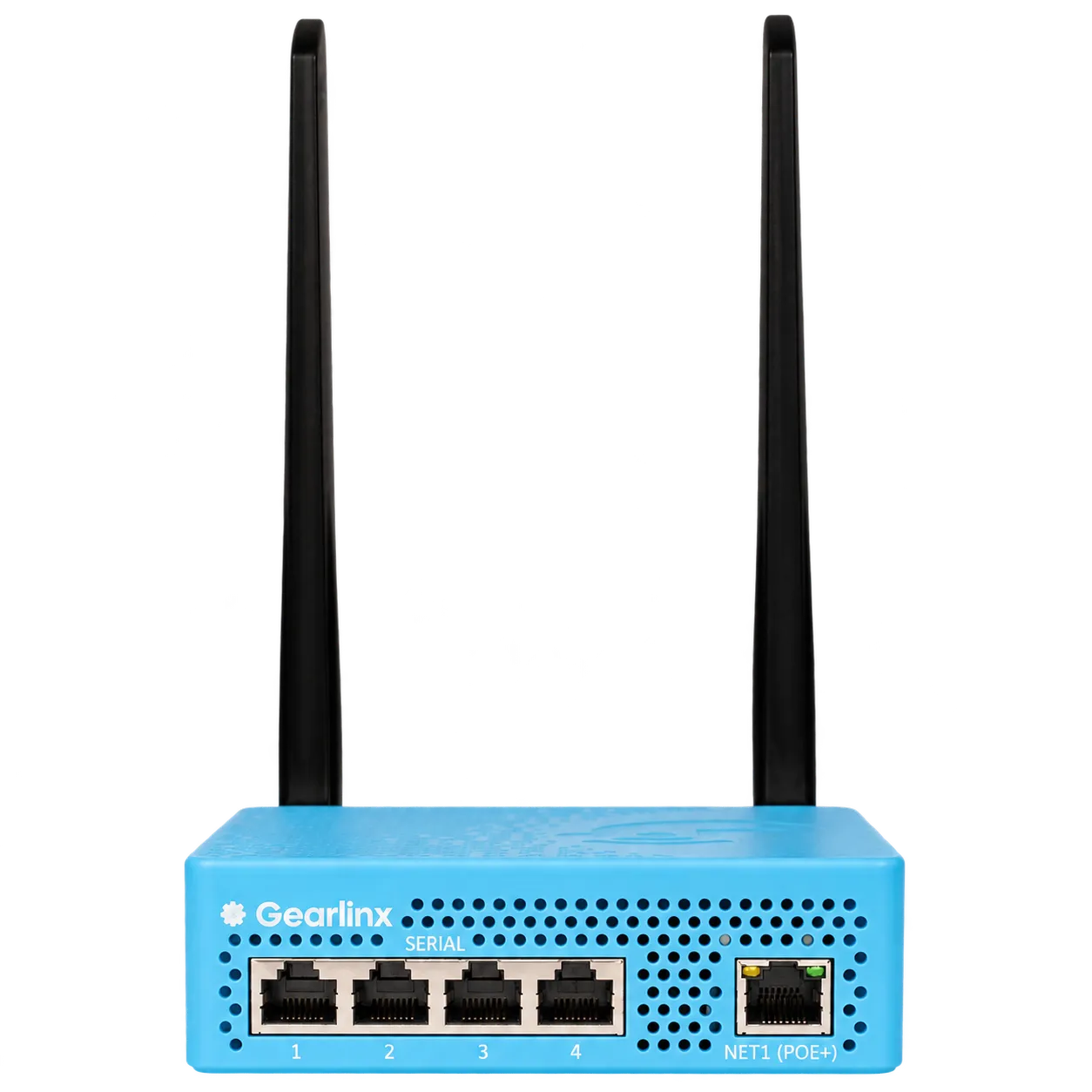
Add compact cellular out-of-band access to stations, depots, remote facilities, roadside sites, kiosks, cameras, and other lower-density transportation environments.
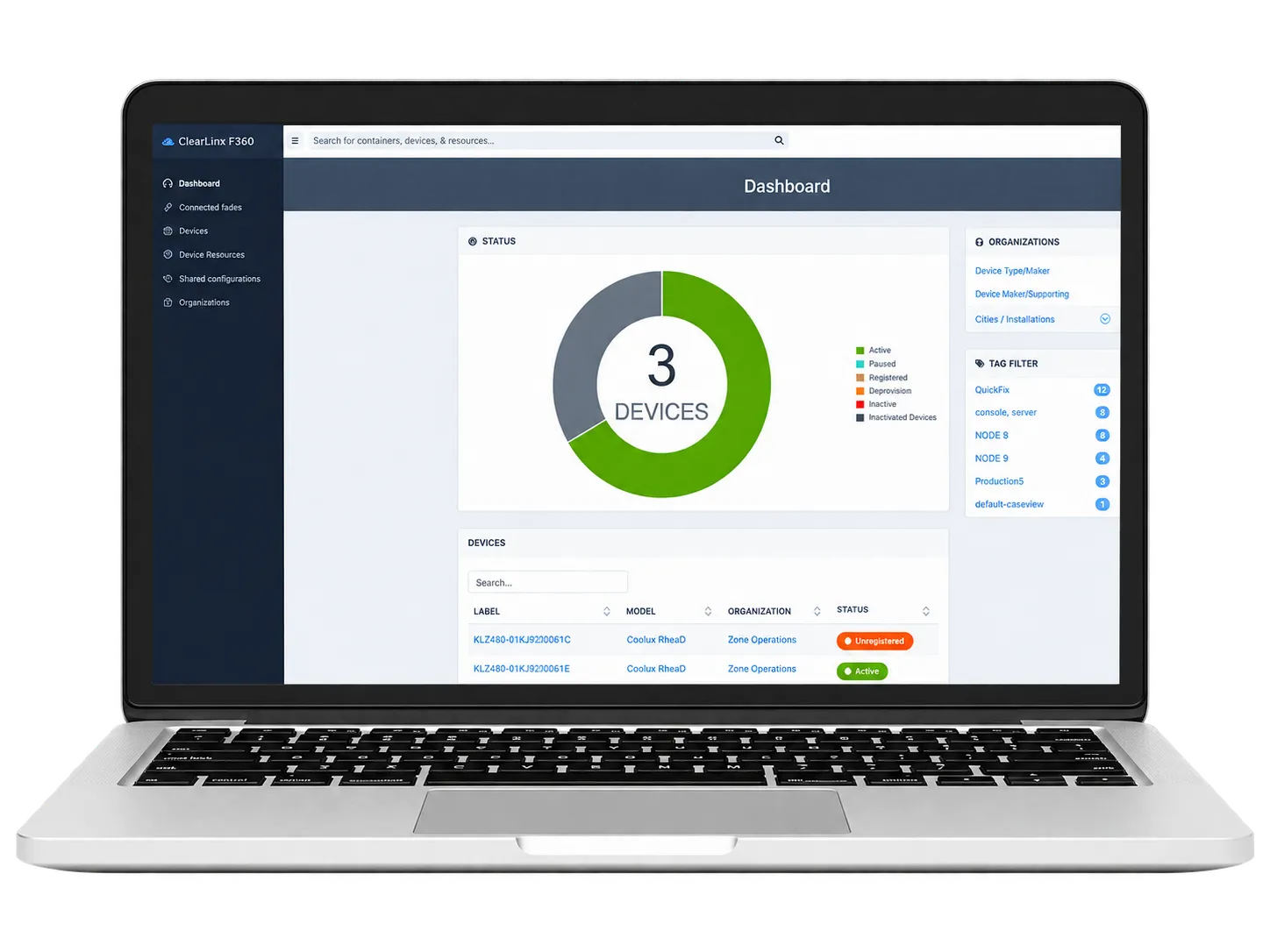
Manage distributed transportation infrastructure from one cloud portal with infrastructure fleet, location, alert, reporting, warranty, subscription, and lifecycle visibility.
Gearlinx helps network and infrastructure teams create a more consistent recovery model across transportation data centers, operations centers, terminals, stations, depots, logistics hubs, and remote locations.
The goal is to reduce the time and effort required to reach affected infrastructure when the normal management path is unavailable.
Clear answers for transportation organizations evaluating out-of-band management, cellular recovery, centralized visibility, and a consistent support model across distributed infrastructure.
Transportation organizations often manage network infrastructure across data centers, operations centers, terminals, stations, depots, logistics hubs, and remote sites. If the primary network or normal management path is unavailable, out-of-band management provides a separate way to reach critical routers, switches, firewalls, and other console-managed infrastructure so recovery can begin sooner.
NR4400 fits higher-density environments such as transportation data centers, operations centers, larger terminals, network rooms, and logistics hubs. It provides 16 or 48 serial console ports, 1GbE and 10GbE connectivity, automation capabilities, edge compute, and optional global 4G LTE.
Duckfone is useful for compact distributed deployments such as stations, depots, roadside sites, kiosks, cameras, remote facilities, and other lower-density environments. It provides four serial ports, one 1GbE interface, dual-SIM global 4G LTE, PoE+ power, Zero Touch Provisioning, REST API, and ZERO cloud management.
ZERO provides centralized cloud management and visibility across Gearlinx fleets and third-party devices, including organizations, device groups, locations, asset data, alerts, reporting, warranties, subscriptions, and lifecycle information.
Yes. Teams can use NR4400 non-cellular models where a separate wired management network already exists, LTE-enabled NR4400 models where cellular resilience is useful, and Duckfone for compact cellular deployments at remote or lower-density transportation sites.
Talk with Gearlinx about out-of-band management, cellular recovery, and centralized visibility across transportation data centers, operations centers, terminals, stations, depots, logistics hubs, and remote locations.