01
Massive device density
More racks, network devices, compute systems, and dependencies increase the number of endpoints teams must deploy, reach, and recover.
Standardize secure out-of-band access, automate deployment and recovery, and maintain centralized visibility across dense, fast-growing network infrastructure.
Hyperscale data centers demand repeatability, rapid expansion, and recovery paths that remain available even when the primary network is impaired. Gearlinx combines NR4400, Gearlinux, ZERO, and ORAAS to help infrastructure teams deploy, manage, automate, and remediate at scale.
Hyperscale data center infrastructure grows through repeatable building blocks, but operational risk grows when management access, automation, recovery, and lifecycle information are fragmented across thousands of devices and multiple facilities.
More racks, network devices, compute systems, and dependencies increase the number of endpoints teams must deploy, reach, and recover.
Manual provisioning and configuration do not scale cleanly across repeated racks, pods, rows, and facilities.
When the primary fabric is degraded or misconfigured, in-band tools can become unavailable at the exact moment engineers need control.
Locations, device status, alerts, serial numbers, warranty, subscriptions, and support information become harder to manage as the footprint grows.
A hyperscale data center operating model needs repeatable infrastructure patterns and a control path that remains available outside the primary network. Gearlinx brings high-density OOB, local automation, optional cellular connectivity, and centralized cloud visibility into that model.
Use NR4400 as a repeatable high-density management platform for critical serial and network infrastructure, then enroll each deployment in ZERO.
Use Zero Touch Provisioning, Python, REST API, containers, and edge compute capabilities to support repeatable deployment and remediation workflows.
Use ZERO to organize devices and locations, surface alerts and reports, and maintain lifecycle and subscription context across the Gearlinx fleet.
When the primary network is unavailable or a change goes wrong, reach critical infrastructure directly, diagnose the issue, remediate, and restore normal operations.
Normal operations should move quickly over the primary fabric, but recovery should not depend on that same fabric being healthy. A separate OOB management plane gives network teams direct access when automation, configuration, routing, or connectivity issues disrupt the primary path.
Use the primary network for routine provisioning, observability, configuration, telemetry, applications, and high-volume operational workflows.
Maintain a separate path to critical network and infrastructure consoles so authorized teams can keep working when the primary fabric is impaired.
The Gearlinx management layer sits alongside the primary hyperscale fabric so access and recovery do not depend on the same path carrying normal operations. ZERO adds centralized cloud visibility across the Gearlinx deployment.
NR4400 provides 16 or 48 software-selectable RS-232 serial ports, 1GbE and 10GbE connectivity, edge compute, automation, secure access, and optional dual-SIM global 4G LTE. ZERO centralizes fleet management, locations, alerts, reporting, asset information, warranty, subscriptions, and lifecycle context.
Provide secure OOB access to routers, switches, firewalls, and other network equipment supporting large-scale fabrics.
Deploy a consistent OOB, automation, and ZERO management model alongside repeated infrastructure blocks.
Maintain independent access to critical network and supporting infrastructure around AI, GPU, and other high-value compute environments.
Use ZERO to organize Gearlinx deployments by location and group while maintaining common access, alerts, reporting, and lifecycle context.
Use ZTP, REST API, Python, containers, and remote access to support staging, rollout, configuration, and operational workflows.
Use the separate management plane to reach infrastructure directly when an upgrade, configuration, routing, or automation event disrupts normal access.
Use NR4400 as the high-density Total OOB® and automation platform, ZERO for centralized cloud visibility and lifecycle context, and Duckfone where compact cellular OOB is useful for auxiliary, edge, or supporting infrastructure.
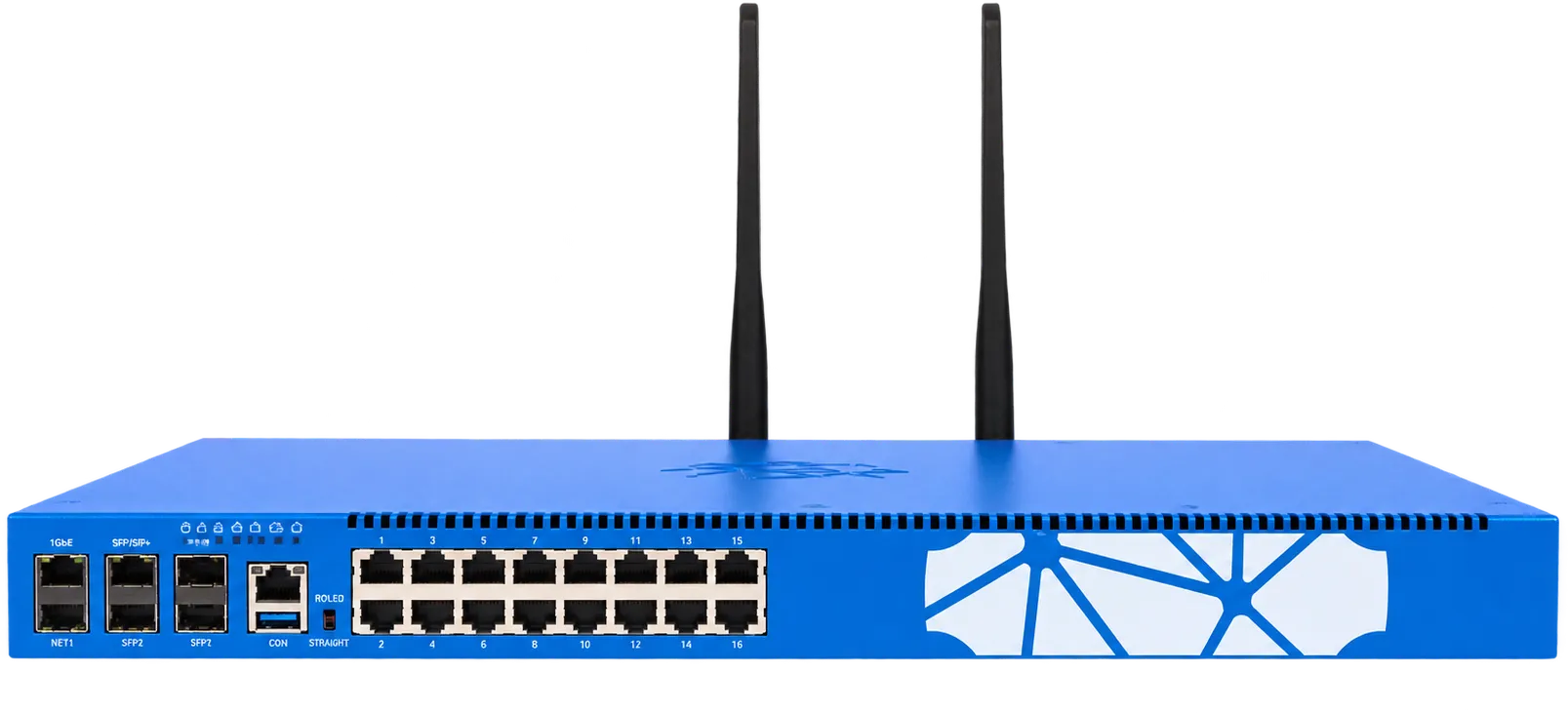
High-density Total OOB® platform with 16 or 48 RS-232 serial ports, 1GbE and 10GbE connectivity, edge compute, automation, secure access, optional dual-SIM global 4G LTE, and ZERO cloud management.
Explore NR4400 →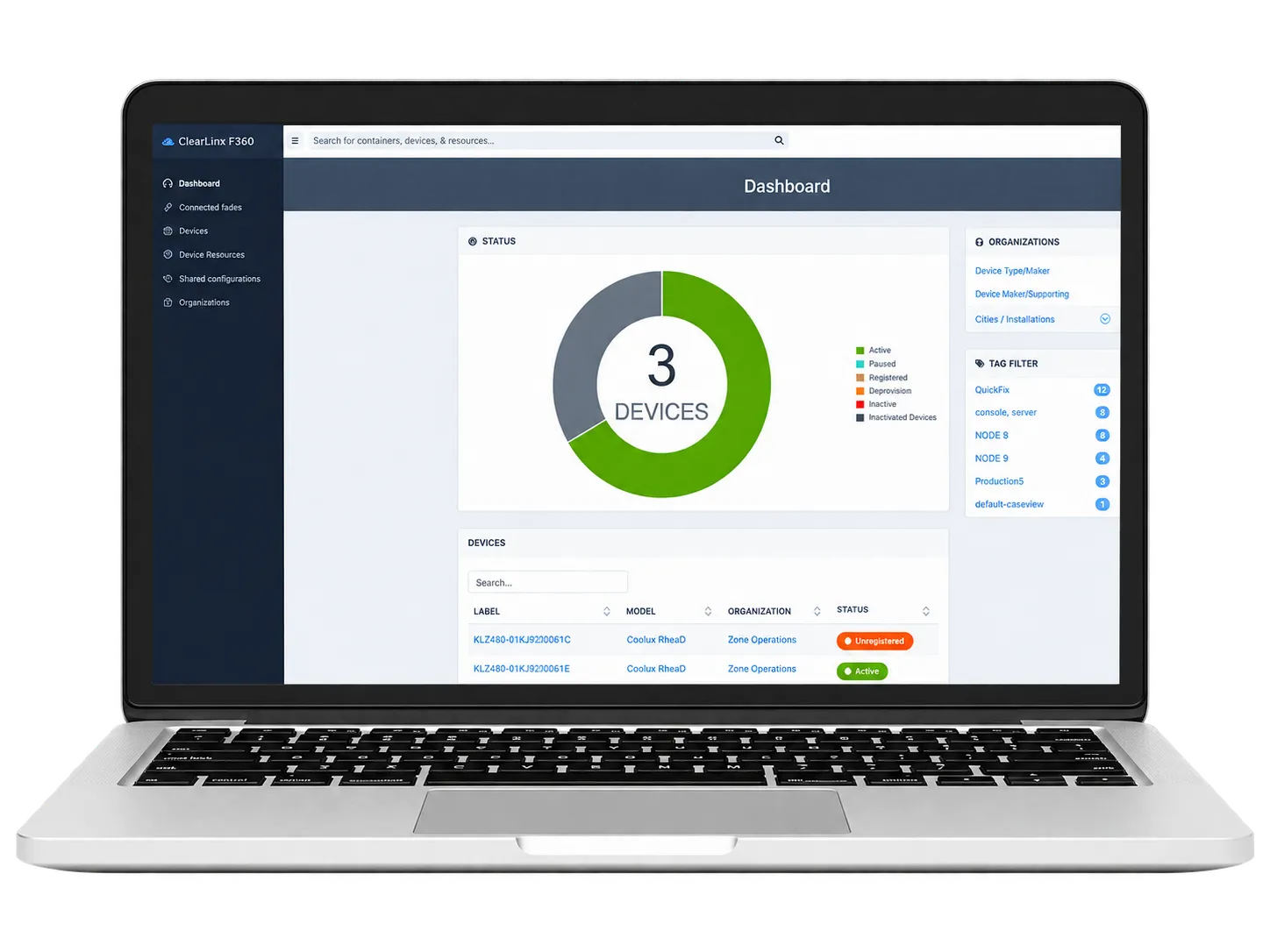
Centralize fleet and group management, device and location visibility, asset data, alerts, reporting, remote operations, warranty, subscriptions, and lifecycle context across Gearlinx deployments.
Explore ZERO →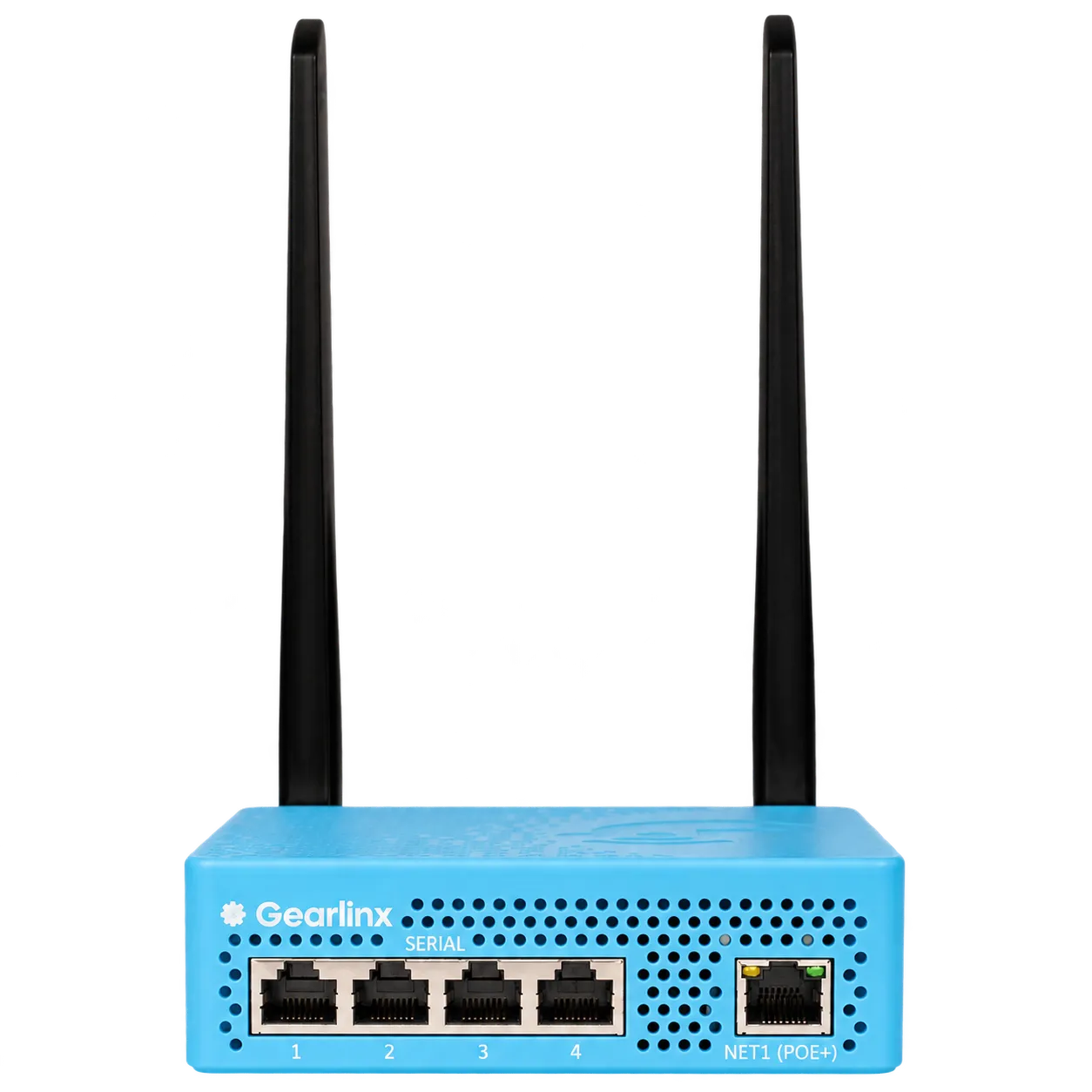
Compact cellular gateway with four RJ45 RS-232 serial ports, 1GbE, integrated dual-SIM global 4G LTE, PoE+, Zero Touch Provisioning, REST API, and ZERO cloud management for smaller supporting or edge deployments.
Explore Duckfone →Hyperscale data center infrastructure is built around repeatability and automation. Gearlinx adds a separate, resilient management layer with high-density Total OOB®, local edge compute and automation, optional cellular connectivity, and ZERO cloud visibility so scale does not eliminate the recovery path.
Use a consistent high-density OOB and management pattern across racks, pods, rows, and facilities.
Use ZTP, Python, REST API, containers, and edge compute capabilities to support scalable operational workflows.
Keep a management path available outside the primary network when configuration, automation, routing, or connectivity fails.
Use ZERO to organize deployments and see locations, status, alerts, reporting, warranty, subscriptions, and lifecycle context from one cloud layer.
Clear answers for teams evaluating high-density out-of-band management, automation, remote recovery, and centralized visibility for hyperscale data center environments.
Hyperscale data center management is the operating model used to deploy, control, automate, monitor, maintain, and recover very large data center environments through repeatable infrastructure patterns. Gearlinx focuses on the network and IT infrastructure management layer, including high-density out-of-band access, local automation, remote recovery, and centralized lifecycle visibility.
Hyperscale operations rely heavily on the primary network for automation, telemetry, provisioning, and normal control. Out-of-band management provides a separate path to critical infrastructure so engineers can still reach equipment when the primary network is unavailable, misconfigured, or affected by a failed change.
The NR4400 provides 16 or 48 software-selectable RS-232 serial ports, 1GbE and 10GbE network connectivity, edge compute, Zero Touch Provisioning, Python, REST API, container support, secure access, optional dual-SIM global 4G LTE, and centralized management through ZERO.
The NR4400 supports Zero Touch Provisioning, Python, REST API, Docker and OCI container capabilities, and local edge compute. These capabilities can complement existing NetOps and DevOps workflows while preserving a direct out-of-band recovery path when an automated process or network change causes a problem.
ZERO provides centralized fleet and group management, device and location visibility, asset data, alerts, reporting, remote operations, warranty and subscription visibility, and lifecycle context across Gearlinx deployments.
No. A dedicated wired management network can provide the main out-of-band path. NR4400 LTE models add optional dual-SIM global 4G LTE when an additional independent connectivity path is useful for a specific facility or deployment.
Talk with Gearlinx about high-density Total OOB®, automation, optional cellular connectivity, and ZERO cloud visibility for hyperscale data centers, AI infrastructure, cloud environments, and other large-scale data center deployments.