01
Limited local IT
Many branch and remote offices have no network engineer onsite when a device, circuit, or configuration fails.

Keep branch and remote locations accessible, connected, manageable, and recoverable with secure out-of-band access, cellular continuity, automation, and ZERO cloud management.
Remote offices often depend on a small set of network devices, a primary WAN path, and little or no local IT support. Gearlinx combines Duckfone, NR4400, Gearlinux, ZERO, and ORAAS to give centralized teams a practical way to deploy, monitor, access, and recover distributed sites.
Remote and branch locations may be small, but they still depend on routers, switches, firewalls, servers, connectivity, and applications that must remain available. The challenge is managing many sites consistently without sending an engineer onsite every time something breaks.
Many branch and remote offices have no network engineer onsite when a device, circuit, or configuration fails.
A single WAN issue can interrupt business traffic and also remove the normal in-band path used to troubleshoot the site.
Different equipment, configurations, and deployment histories make distributed locations harder to standardize and support.
Locations, device status, alerts, serial numbers, warranty, subscriptions, and support information become difficult to track across many sites.
A remote office strategy should make each site easier to deploy and easier to recover. Gearlinx combines compact or high-density OOB hardware, cellular connectivity, Zero Touch Provisioning, and centralized ZERO cloud visibility into one repeatable operating model.
Deploy Duckfone for compact branch and remote-office environments or NR4400 for locations that need more console density, compute, automation, or network interfaces, then enroll the site in ZERO.
Use the primary WAN for everyday operations while maintaining an alternate cellular and out-of-band path for management and recovery when the primary path is unavailable.
Use ZERO to organize devices and locations, monitor status, receive alerts, run reports, and maintain warranty, subscription, support, and lifecycle context.
Reach routers, switches, firewalls, servers, and other supported infrastructure directly, diagnose the issue, remediate remotely, and restore normal operations without waiting for an onsite visit.
In-band tools are ideal while the site network is healthy. Out-of-band management provides the independent path teams need when a WAN outage, configuration error, failed device, or local network problem removes normal access.
Use the primary WAN and site network for normal users, applications, telemetry, configuration, monitoring, and everyday management.
Maintain a separate management path to critical infrastructure so authorized teams can keep working when the primary WAN or local network is impaired.
Gearlinx sits alongside the primary remote-office network rather than replacing it. The primary WAN continues to carry everyday traffic while Duckfone or NR4400 provides direct infrastructure access and ZERO provides centralized cloud visibility across distributed locations.
Duckfone provides four RJ45 RS-232 serial ports, 1GbE, integrated dual-SIM global 4G LTE, PoE+, Zero Touch Provisioning, REST API, and ZERO management. NR4400 expands the model with 16 or 48 serial ports, 1GbE and 10GbE connectivity, edge compute, automation, secure access, and optional dual-SIM global 4G LTE.
Maintain secure OOB access and centralized visibility for offices that depend on a small number of critical network devices.
Support routers, firewalls, switching, servers, and local infrastructure across warehouses and distribution facilities.
Use compact OOB and cellular connectivity for stores, restaurants, service locations, and other distributed business sites.
Standardize access, alerts, reporting, and lifecycle visibility across satellite offices, field locations, and smaller campuses.
Use cellular connectivity, PoE+, ZTP, and ZERO management to simplify deployment where fixed infrastructure or local IT resources are limited.
Use ZERO to organize locations and devices while centralizing status, alerts, asset data, warranty, subscriptions, and support context.
Use Duckfone for compact cellular OOB at branch and remote offices, NR4400 for larger or more complex sites that need greater console density and automation, and ZERO for centralized cloud visibility and lifecycle management across the fleet.
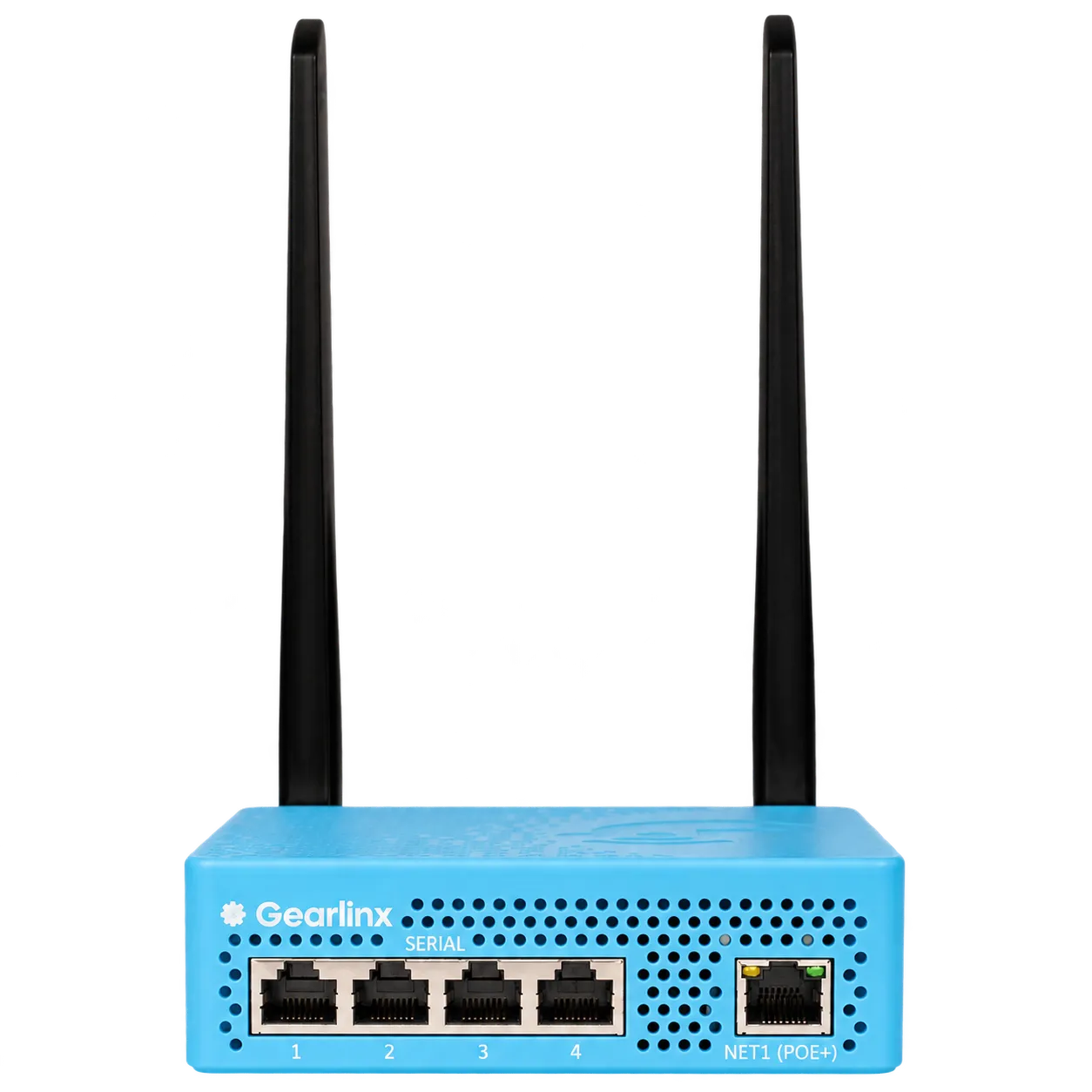
Compact cellular gateway with four RJ45 RS-232 serial ports, 1GbE, integrated dual-SIM global 4G LTE, PoE+, Zero Touch Provisioning, REST API, and ZERO cloud management for branch, remote-office, and distributed edge deployments.
Explore Duckfone →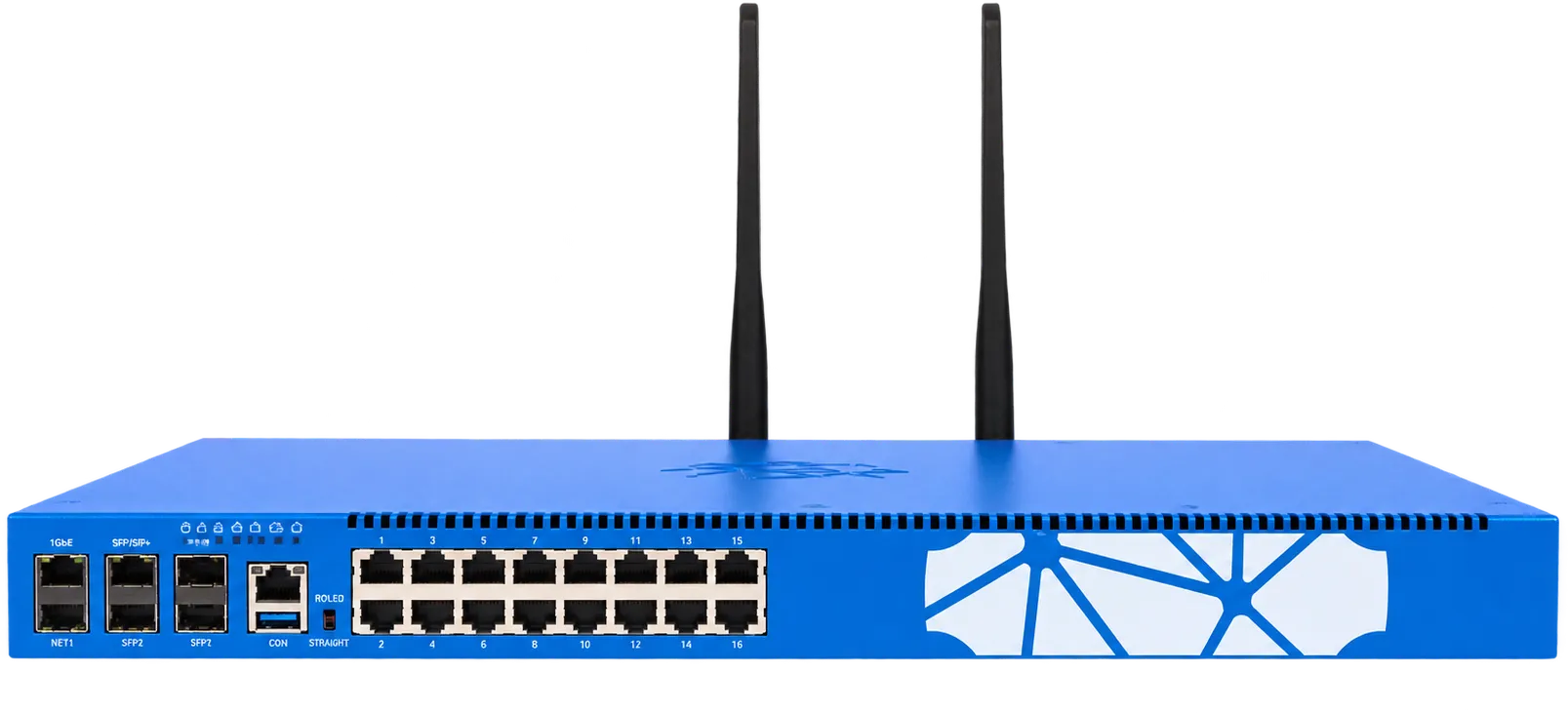
Total OOB® platform with 16 or 48 RS-232 serial ports, 1GbE and 10GbE connectivity, edge compute, automation, secure access, optional dual-SIM global 4G LTE, and ZERO cloud management for larger remote locations.
Explore NR4400 →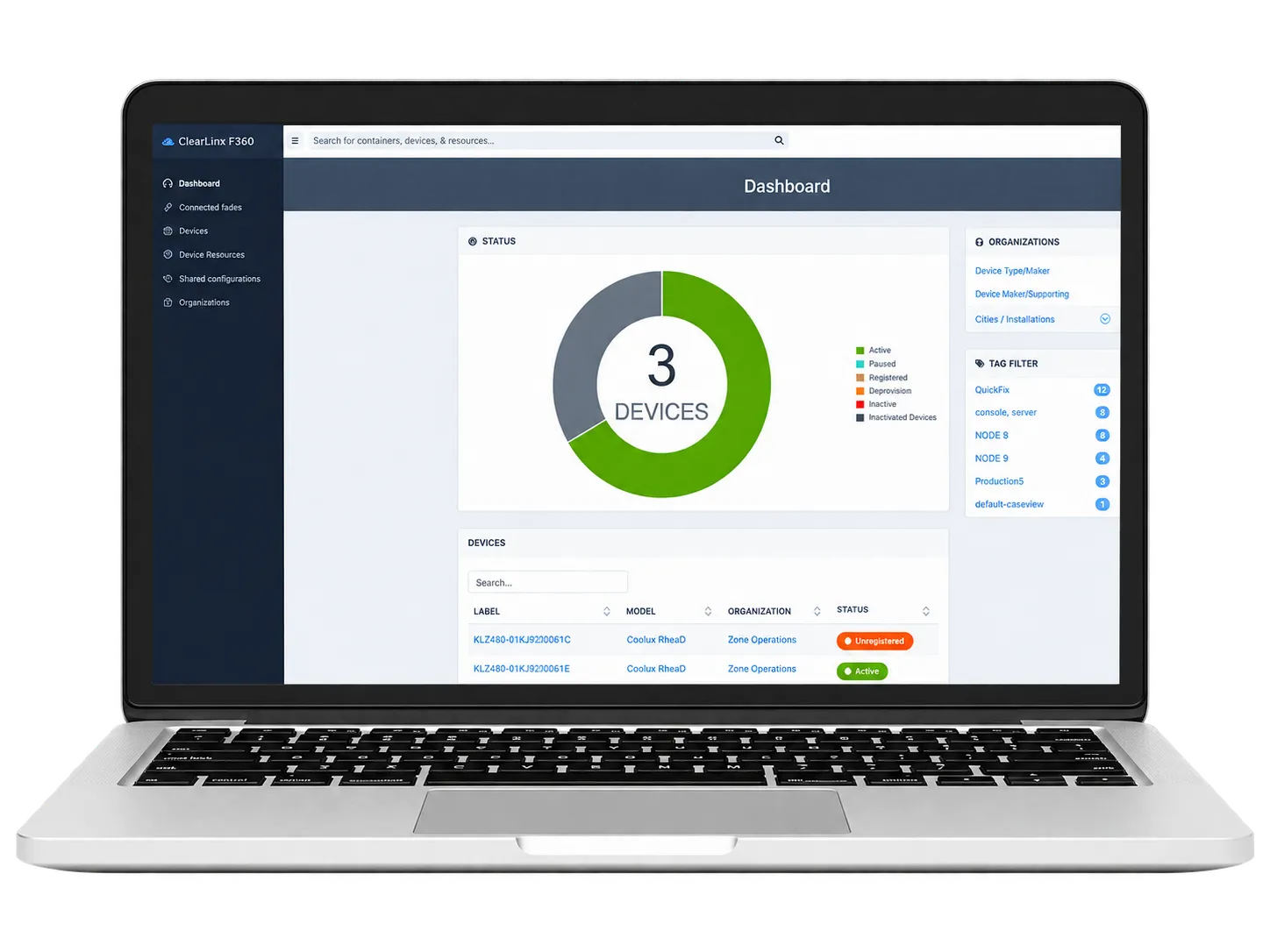
Centralize fleet and group management, device and location visibility, asset data, alerts, reporting, remote operations, warranty, subscriptions, and lifecycle context across remote offices and distributed sites.
Explore ZERO →Remote-office resilience is not just about having a backup connection. Gearlinx combines independent access, cellular connectivity, automation, and ZERO cloud visibility so centralized teams can deploy sites consistently, recover faster, and reduce the operational burden of distributed infrastructure.
Give network teams a practical way to investigate and recover more remote-site issues without dispatching an engineer.
Use repeatable hardware, ZTP, ZERO enrollment, and common management workflows across branch and remote-office locations.
Maintain a management path outside the primary network when a circuit, device, routing change, or configuration issue removes normal access.
Use ZERO to see locations, device status, alerts, reporting, serial numbers, warranty, subscriptions, support, and lifecycle context from one cloud layer.
Clear answers for teams evaluating out-of-band access, cellular connectivity, centralized management, automation, and remote recovery for branch and remote-office environments.
Remote office network management is the process of deploying, monitoring, maintaining, troubleshooting, and recovering network and IT infrastructure at branch or remote locations from a centralized team. Gearlinx focuses on the resilient management layer, including out-of-band access, cellular connectivity, remote recovery, automation, and centralized lifecycle visibility.
Remote offices often have little or no local IT support. If the primary WAN or site network is unavailable, in-band management can disappear with it. Out-of-band management provides a separate path to critical infrastructure so engineers can continue troubleshooting and recovery remotely.
Duckfone is a compact cellular gateway with four RJ45 RS-232 serial ports, one 1GbE interface, integrated dual-SIM global 4G LTE, PoE+, Zero Touch Provisioning, REST API, and ZERO cloud management. That combination fits branch, remote-office, and smaller distributed edge deployments.
NR4400 is a better fit when a remote location needs higher console density, more network interfaces, local edge compute, broader automation capabilities, or optional LTE in a 1RU platform. It provides 16 or 48 serial ports, 1GbE and 10GbE connectivity, edge compute, ZTP, Python, REST API, container support, and ZERO management.
ZERO provides centralized fleet and group management, device and location visibility, asset information, alerts, reporting, remote operations, warranty and subscription visibility, and lifecycle context across Gearlinx deployments.
Yes. A separate remote management path gives centralized teams a way to reach supported infrastructure, diagnose problems, change configurations, and recover service without sending someone onsite for every incident. Some issues will still require physical intervention, but OOB can reduce avoidable truck rolls and delays.
Talk with Gearlinx about secure Total OOB®, cellular connectivity, remote recovery, automation, and ZERO cloud visibility for branch offices, remote sites, warehouses, retail locations, and distributed enterprise infrastructure.